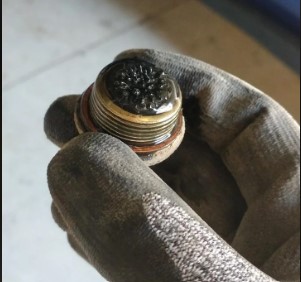
During routine maintenance, finding metal shavings in transmission oil can be concerning. As a manufacturer of transmission components with extensive experience in general maintenance and high-performance builds, we’ve seen metal shavings in transmission oil across various vehicles—from daily drivers to high-powered performance cars. While it’s not unusual, metal shavings can be an indicator of either normal wear or potential issues. Here’s a closer look to help you understand what these findings mean.
Types of Transmissions and Wear
Transmissions, whether automatic, manual, CVT, or EV drivetrains, contain moving parts that naturally wear down over time. As a result, some metal particles in transmission oil are expected, but knowing what’s normal and what isn’t can help maintain your vehicle’s health.
What’s Normal?
Seeing fine metal particles or “sparkle” in your transmission oil is usually a sign of typical wear, especially if there are no unusual symptoms like grinding or noise. Transmission pans often come equipped with magnets or magnetic drain plugs designed to collect these particles, ensuring they don’t circulate back through the transmission.
How to Identify Abnormal Wear
To assess whether the shavings are normal or indicative of a larger issue, look for specific characteristics in the transmission oil:
- Fine Metallic Powder: This is generally harmless and can collect on the magnet. Fine powder usually indicates normal wear and is common to find in both new and high-mileage transmissions.
- Large or Sharp Metal Shavings: If the shavings are large enough to pick up or feel sharp, this could signal trouble, such as worn or damaged gears. In some cases, imperfections in the vehicles’ manufacturing process can also leave small casting materials behind, which may appear similar.
- Black Particles: Extremely fine black particles are usually normal, particularly if found on the magnet. However, larger black pieces could indicate clutch wear in vehicles with automatic transmissions or a worn synchro in manual transmissions.
- Brass or Gold Flakes: Over time, you may see gold or brass-colored particles, which often come from bushings or thrust washers. These components wear down with mileage and can shed small metallic particles into the oil.
Potential Causes and Maintenance Tips
Several factors can lead to abnormal wear and increased metal shavings in transmission oil:
- Over-revving and Hard Driving: Pushing the engine beyond its limits without allowing the transmission oil to properly lubricate can accelerate wear on internal parts.
- Delayed or Missed Oil Changes: Over time, transmission fluid can become thick and sludgy, which stresses the drivetrain components and limits lubrication.
- Aggressive Shifting: Mis-shifting or improper gear changes, especially in manual transmissions, can stress the gears and increase wear, causing metal shavings to appear in the oil.
Following your vehicle manufacturer’s recommended maintenance schedule can help prolong the transmission’s life. We recommend for endurance and extreme racing applications, to consider changing the transmission oil every 20 hours of hard use. Additionally, certain transmissions may have known weaknesses or even recalls, so it’s worth researching common issues related to your specific model.
Final Thoughts
Finding metal shavings in your transmission oil isn’t always a cause for alarm. However, understanding the type and quantity of these particles can help determine whether further inspection is needed.
If you have questions about your findings or need guidance on maintenance, feel free to reach out to us for advice.
 Traction Concepts Tips